
Fossil-free with sector coupling
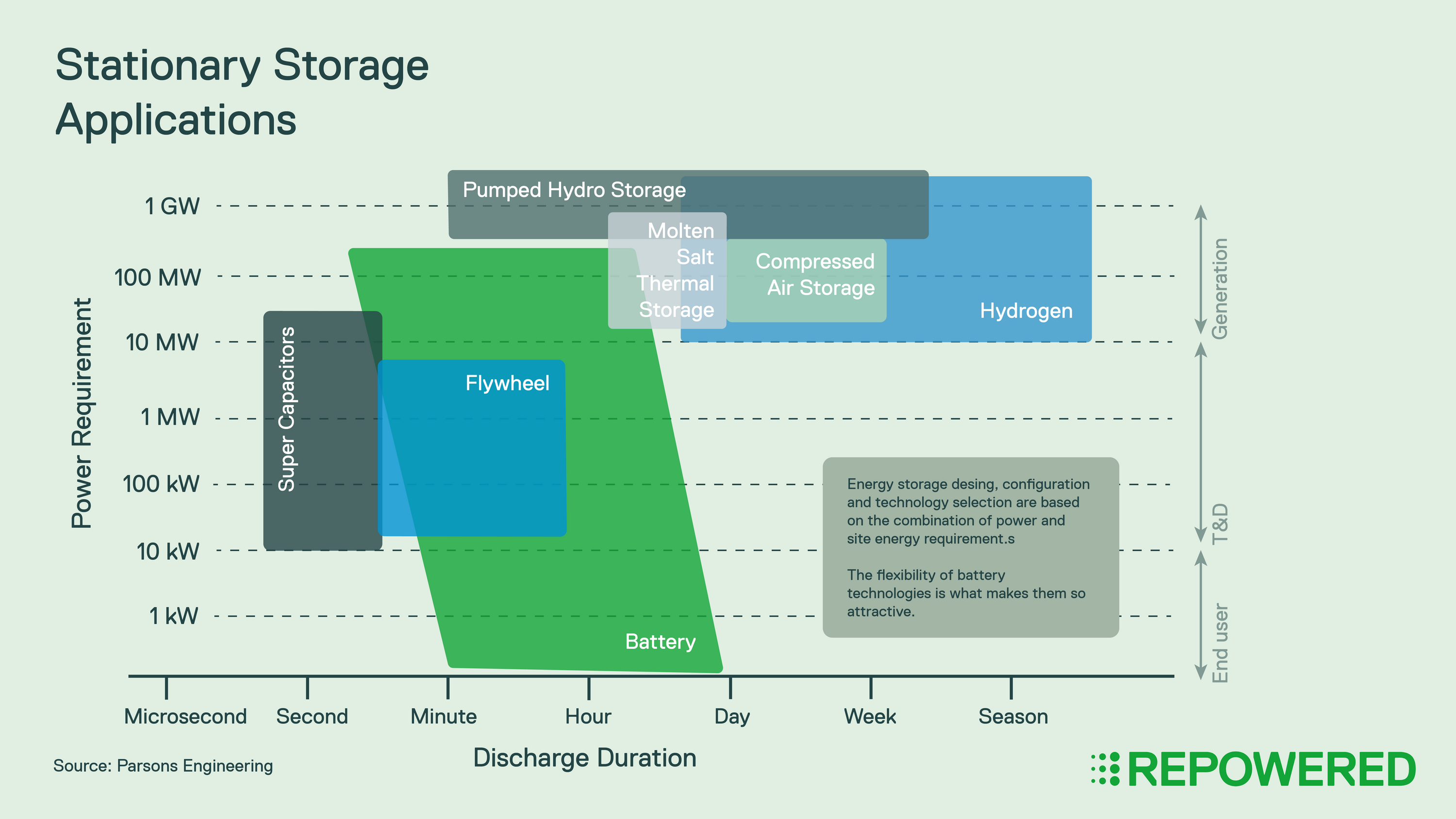
In the past, we operated with separate energy sectors: electricity, cooling, heating, transportation, and industrial consumption were distinct entities. System integration is an innovative concept aimed at reducing the use of fossil fuels in our economy by electrifying as many processes as possible. This calls for a “holistic” approach to energy use by both producers and consumers, and requires the use of all forms of energy generation and storage in the most flexible way possible.
We now know that renewable energy is meeting an ever-increasing share of electricity demand. Through sector coupling, we can extend this success to energy- and emissions-intensive sectors such as transportation, heating, agriculture, and heavy industry.
To achieve this, we will need to connect all sectors of the economy that produce, consume, and store energy. Sector coupling based on electricity from renewable sources must ultimately reduce net CO2 emissions to zero.
Electricity is the future
The idea behind sector coupling is that the energy industry no longer operates in isolation, but that the entire economy works together through a flexible interplay of electricity generation, consumption, and storage so that we can achieve climate neutrality. Of course, this is only possible if we replace “old” energy sources such as oil, coal, and gas across all sectors. But for our industry, transportation sector, and heating, we are still heavily dependent on fossil fuels. Examples such as power-to-gas (PtG or wind gas) for hydrogen production, or power-to-heat (PtH or wind heat) for heat production, are often still experimental or difficult to scale up.
Storage issues
Compared to liquid or gaseous fuels, electricity has the disadvantage that it cannot be easily stored without loss. We can only store electrical energy electrochemically in batteries or convert it into hydrogen gas (PtG processes, pumped storage, or pressure storage). These forms of storage or conversion always involve significant energy loss of at least 50%.
Electric storage is certainly possible, but it is often limited to a few hours at most. Power-to-X solutions must therefore compete in the market against cheap fossil fuels. In this case, smart balancing of electricity supply and demand—flexibility—can help reduce the need for storage.
Flexibility holds great potential in cross-sector integration. Here are a few examples: a fleet of electric trucks can provide balancing power (unused power that helps balance the grid). A fleet of electric cars can charge flexibly and cost-effectively. Cold storage facilities can be cooled in a smart way by utilizing the inertia of thermal processes… There is still a great deal of untapped potential, especially in medium-sized companies.
Transportation and Logistics
The transformation of air, water, and truck transportation is proving to be much more challenging. Overhead-line-dependent modes of transport—such as trains—offer limited mobility, especially in sparsely populated areas. Batteries have now become the most common solution for electrifying vehicle fleets. Advances in battery technology are moving quickly, resulting in increasing range and lower costs. Batteries connected to the power grid while charging offer enormous potential for flexibility—also known as vehicle-to-grid (V2G). When there is little wind or the sky is cloudy, car batteries can compensate for small imbalances in the power grid by providing positive regulating power.
In addition to batteries, we are increasingly seeing hydrogen as a potential energy source. In heavy-duty transport, storage options are relatively simple and inexpensive. The main challenge there remains the large-scale production of hydrogen using renewable energy. The efficiency of hydrogen-based propulsion technologies (converted piston or rotary engines, turbines, or fuel cells) also has room for improvement. In Japan, it is the major automakers that are working on hydrogen engines. In Germany, it is primarily commercial vehicle manufacturers. Hydrogen from PtG systems can be refueled on the road during truck drivers’ mandatory rest periods. The refueling infrastructure will need to expand significantly for this. In the logistics sector, electric vehicles are primarily used for local deliveries. Logistics companies are developing their own fleets for this purpose, and local governments are also increasingly using electric buses and taxis.
But transitioning container ships, intercontinental flights, and heavy-duty trucks to electric power is a whole different story. For the aviation sector, batteries are not yet a viable alternative, although there are successful examples of electric flight over short distances. In the maritime sector, researchers are exploring options such as combining electric power with wind power.
Heat generation
Compared to the transportation sector, heat generation has a significant advantage: heat does not depend on a supply of transportable fuel. Consequently, there are many different technologies that are used in a variety of combinations, such as combined heat and power.
A machine that generates electricity or kinetic energy produces waste heat through combustion, friction, or chemical reactions. The success of combined heat and power lies in the smart use of that waste heat. Especially when hydrogen, biomethane, or wood pellets from renewable sources are used in conjunction with it.
Natural heat from air-source heat pumps or geothermal heat pumps is now standard in many new buildings and homes across Europe. Properly insulating older buildings and equipping them with this technology can significantly reduce CO2 emissions from heating systems.
In urban areas, we can use waste heat from industrial processes or data centers for district heating. Solar thermal energy, where solar collectors generate heat, store it, and then supply it to a neighborhood, is also becoming increasingly popular. And electric heating is making a comeback in the form of infrared heating panels that are efficient and thus make electric heating affordable again.
Local heating networks linked to larger biogas plants are particularly common in villages. Transport results in little loss over short distances because the distances are small. In short, climate-neutral technologies exist; the challenge now is scaling them up.
It is therefore important to invest not only in heat generation, but also in the development of sustainable thermal insulation systems. An example of sector coupling is when, in well-insulated apartments, electric infrared heaters are connected to a virtual power plant. This allows you to heat your home when electricity is cheap and turn the thermostat down when prices rise. The fluctuation is absorbed by the good insulation.
On the consumer side, we’re seeing more and more energy savings: LED bulbs and A+++ appliances are now commonplace. And on the roads, mopeds and scooters are being replaced by electric bikes, fat bikes, and e-scooters.
All of these technologies are supposed to help reduce household electricity consumption—yet the effect is limited. Economic growth continues to drive up energy demand. Essentially, we are replacing energy-guzzling appliances with a much larger number of small, energy-efficient devices.
Where do we stand?
Interconnection between sectors undeniably offers opportunities for the energy transition. We are already seeing this happen in heat generation and industry. The transportation sector requires additional effort. The fact remains that demand for electrical energy will continue to rise, placing a corresponding strain on our power grid. Networks of electricity producers, consumers, and storage systems can provide the flexibility needed to allow our energy system to grow in step with demand.